
Install · Maintain · Mend
Clean power, cared for properly
Design, installation and long-term servicing for homes and businesses — one accountable team from the first roof survey to the last health check.
Fault response
48 hrs
Our target to diagnose a reported fault on any system we service.
Site survey
Free
Roof, shading and electrical load checked before any quote is written.
Well-built solar should quietly cut your power bills for 25 years. We engineer it right the first time — and keep it clean, healthy and fault-free for every year after.
We build systems properly, then stay on to keep them producing — cleaning, health checks, fault repair and upgrades.
What every client gets
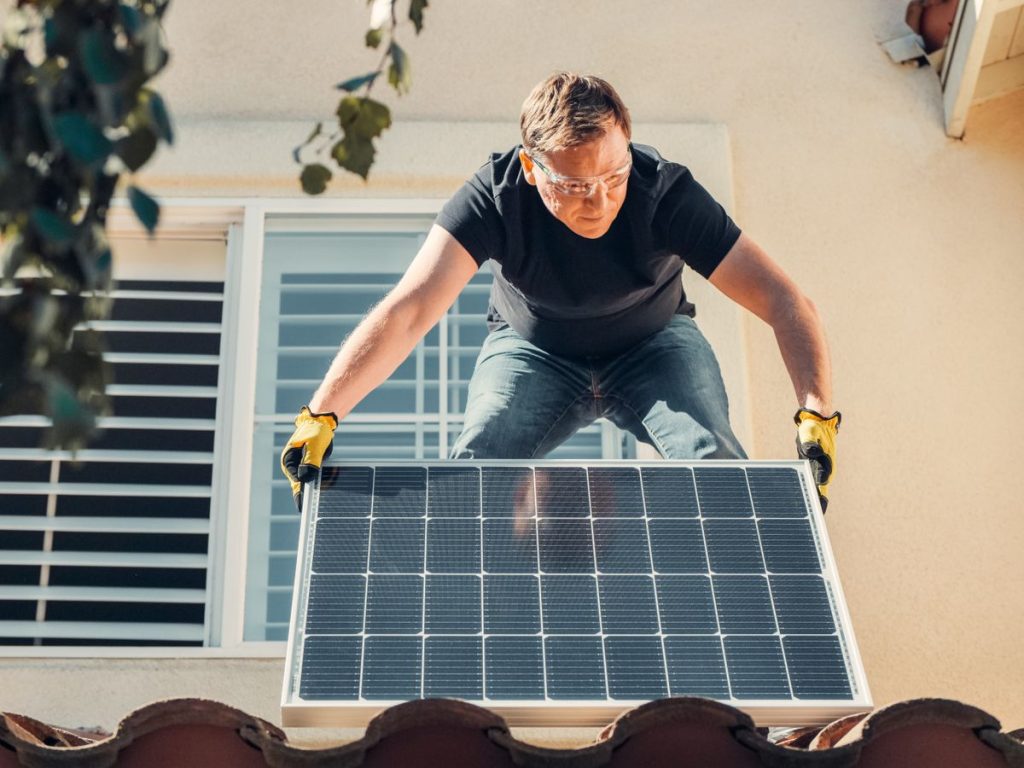
Engineered, not just installed
Every array is designed around your roof, your shade and your actual power use.
Why SunShine Mend
Solar panels are one of the few upgrades that pay for themselves, but only when the system is sized honestly and built carefully. Undersized cables, poor earthing, shaded strings and cheap mounting hardware quietly eat into output year after year — and most owners never notice until the bills creep back up.
We approach every project as an engineering job. That means measuring roof orientation and shading through the day, reading your real consumption pattern, specifying components that suit it, and installing with the same care on the parts you will never see as on the panels you will. After handover we stay involved, so the system that looked good on day one is still performing in year fifteen.
Years of output we design every system to deliver
Quality checks before any system is handed over
Of systems commissioned and tested on site
What we do
Whether you are planning a first rooftop system, running a factory on daytime power, or living with panels that no longer perform, we cover the full life of the system.
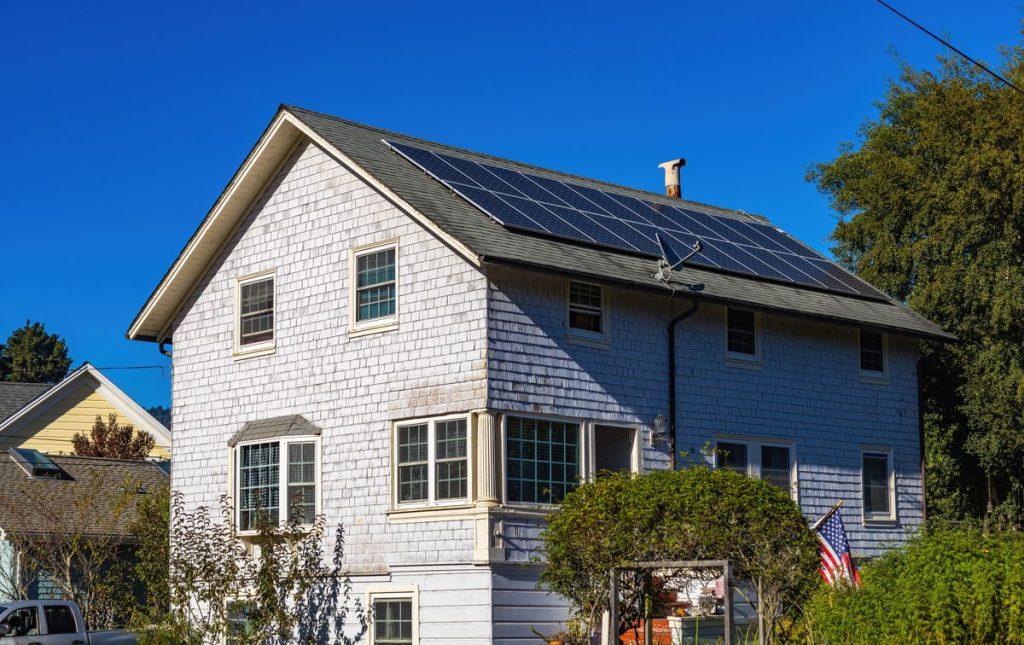
01
On-grid, hybrid and off-grid systems sized to your household load, roof and budget.
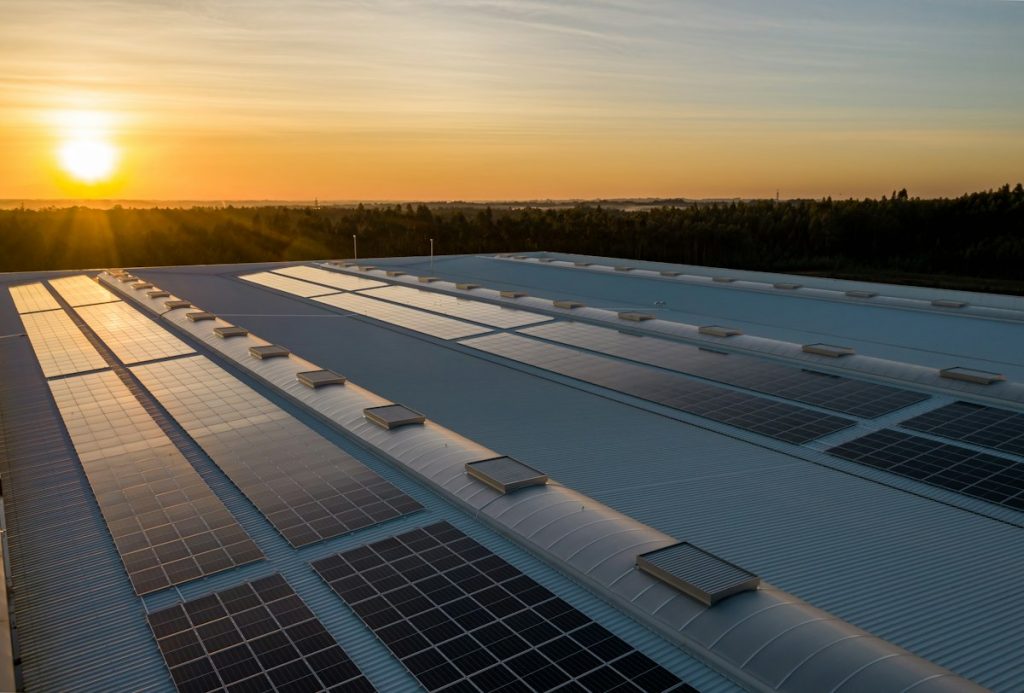
02
Rooftop and ground-mount arrays that cut daytime energy costs for operations of any size.
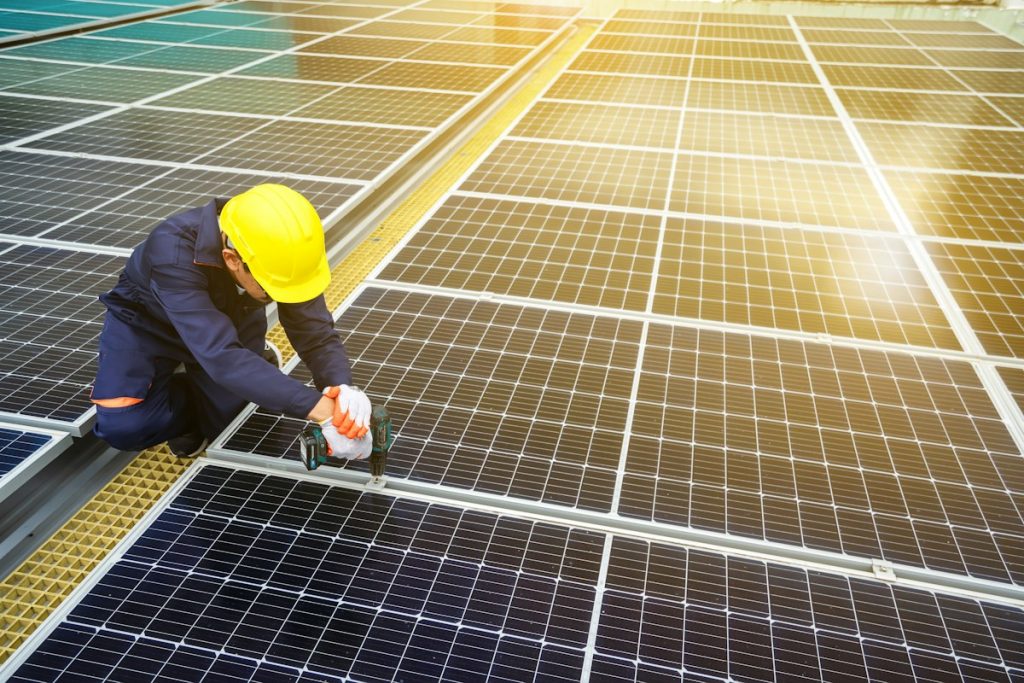
03
Cleaning, health checks, fault finding and repair — including systems installed by others.
04
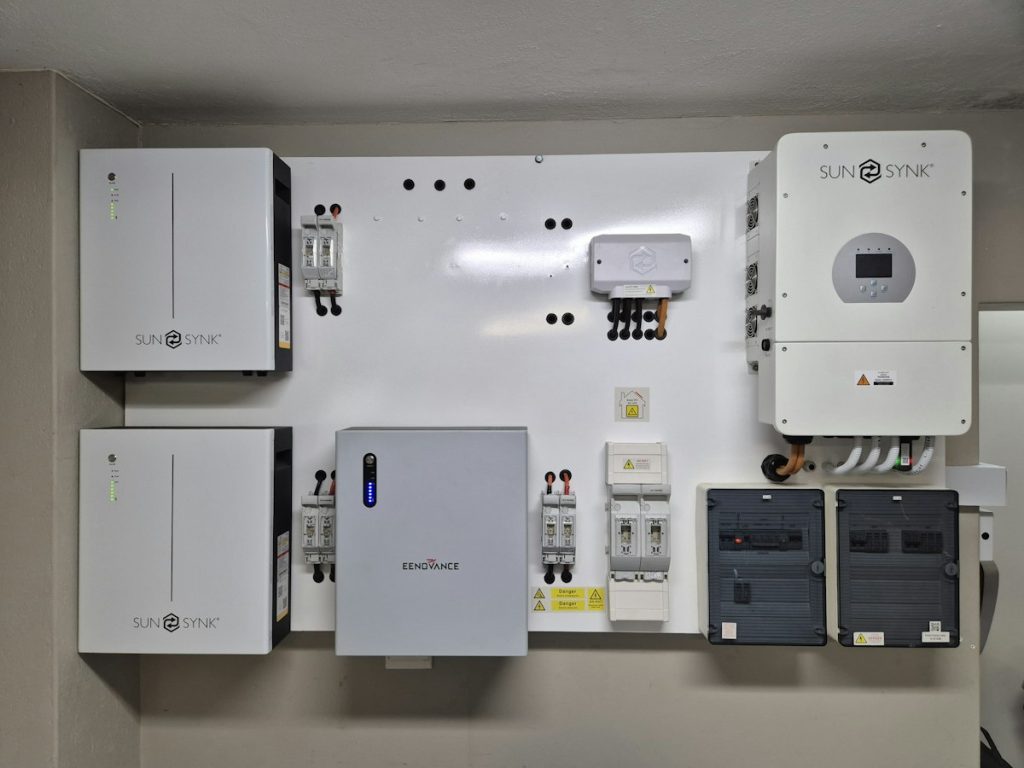
Backup storage, hybrid conversions, inverter diagnosis and replacement.
How it works
A clear four-stage process with a named engineer at every step. You always know what is happening on your roof, what it costs and when it will be finished.
01
We inspect the roof structure, measure shading across the day and study twelve months of electricity bills to understand how and when you actually use power.
02
You receive a system layout, component list, expected yearly generation and a fixed, itemised price — with every assumption written down so you can compare fairly.
03
Certified installers mount, wire and earth the system, then test every string and the inverter under load before handing over a full commissioning report.
04
We set up production monitoring, schedule cleaning and health checks, and respond quickly if output drops or an error code appears.
Already have panels?
Many systems we are called to were working perfectly when installed. Dust, birds, heavy storms, loose connections and tired inverters take their toll. The good news: most performance problems are fixable in a single visit once they are properly diagnosed.
Our technicians carry insulation testers, clamp meters, IV-curve tools and thermal cameras, so we measure the problem instead of guessing at it.
Gradual loss usually points to soiling, new shading from trees or buildings, degraded connectors or a string that has stopped contributing. We compare live readings with expected yield to find the cause.
Grid voltage faults, isolation errors, overheating and failing fans are common causes. We read the inverter log, test insulation resistance and check the AC side before recommending repair or replacement.
Physical damage can lead to hot spots that reduce output and create a safety risk. We test the affected module, isolate it safely and arrange a like-for-like replacement where needed.
Capacity fades with age, deep discharging and heat. We measure state of health, review charge settings and advise whether recalibration, rebalancing or replacement is the better value.
Undersized cables, loose terminations and moisture in junction boxes need prompt attention. We inspect, thermally scan where needed and rectify the wiring to a safe standard.
We survey the installation, record every component, test performance and give you a clear report with a maintenance plan — so you finally know what is on your roof.
Good to know
Panel wattage on a datasheet is only the starting point. These factors make the difference between a system that pays back quickly and one that disappoints.
A single shaded panel can pull down a whole string. We map shade through the seasons and use string design, optimisers or micro-inverters where they genuinely earn their cost.
Dust, pollen and bird droppings form a film that blocks sunlight. Depending on the site, regular cleaning can recover a noticeable share of lost output — and we show you the before and after.
The inverter converts every unit you generate. Overheating, poor ventilation and loose connections reduce efficiency and shorten its life long before a failure is obvious.
Questions, answered
Still deciding whether solar makes sense, or what to do about an existing system? These are the questions we hear most often.
Cost depends on system size, panel and inverter choice, whether you add batteries and how complex the roof is. After a free site survey we give you a fixed, itemised quote with expected yearly generation, so you can see the payback period before you decide.
Most home systems are installed and commissioned in one to three days once materials are on site. Commercial projects are scheduled in phases so your operations keep running.
Yes. A large part of our work is cleaning, diagnosing and repairing systems we did not install. We start with a full inspection and give you a written report before any repair work.
It depends on dust, nearby trees, birds and roof angle. Many sites benefit from cleaning every two to three months, with dusty or flat installations needing more. We recommend a schedule after looking at your production data.
Usually, yes. Some systems need a hybrid inverter or an AC-coupled battery solution. We check compatibility and recommend the simplest, safest way to add storage.
Panels and inverters carry their manufacturers’ product and performance warranties, and we add our own workmanship warranty on installation. We register warranties for you and keep the paperwork on file.
Next step
Book a free site survey. We will measure, model and give you an honest answer — including when solar is not the right fit.