
Commercial & industrial
Turn idle roof space into a predictable energy asset. We engineer rooftop and ground-mounted solar that cuts daytime power costs, keeps operations running and comes with the reporting your finance team needs.
The business case
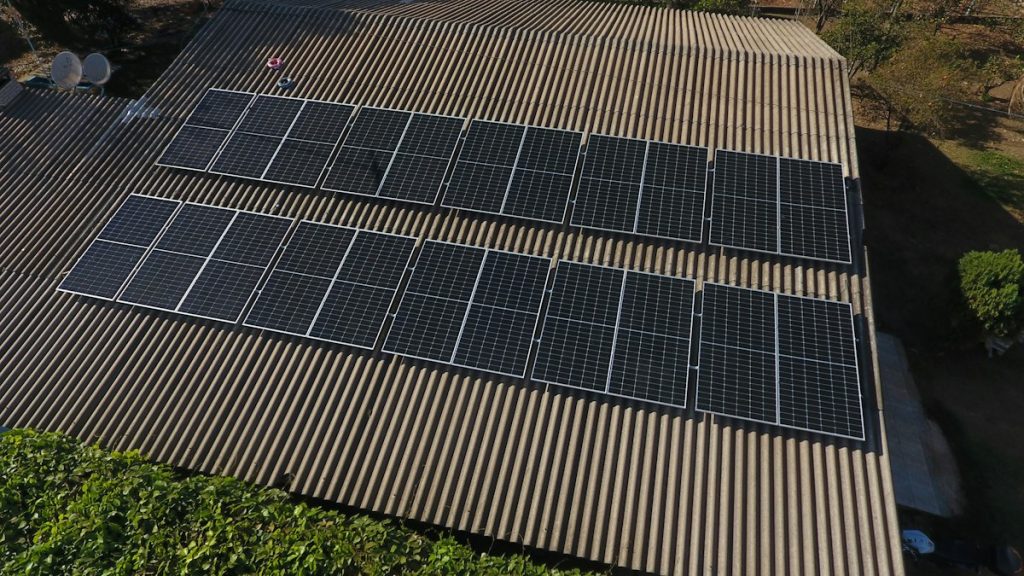
Most commercial and industrial sites use the bulk of their electricity during working hours — exactly when solar panels produce the most. Every unit generated on your own roof is a unit you do not buy at peak commercial tariffs, which is why well-designed commercial systems often deliver some of the strongest returns of any energy investment.
The key is engineering the system to your actual load profile. Oversize it and you export cheap surplus; undersize it and you leave savings on the table. We start with your meter data and production schedule, not a rule of thumb.
What you gain
Offset peak-hour grid purchases and protect margins against future tariff increases.
Phased work, night or weekend tie-ins and strict site safety keep production running.
Monthly generation and savings reports in a format your accounts team can use.
Preventive maintenance contracts with response times written into the agreement.
Sectors we serve
Every sector has different load patterns, roof types and safety rules. We plan around them from the first survey.
Large roofs and heavy daytime loads with strict safety requirements.
Wide roof areas and steady refrigeration demand.
Air-conditioning and lighting loads that peak with the sun.
Daytime-only use and an opportunity to teach clean energy.
Critical loads where hybrid backup adds resilience.
Irrigation pumps, dryers and remote sites with weak supply.
How we deliver
Commercial projects need clear milestones, documented decisions and a single point of contact. This is how we run them.
Phase 1
Meter data analysis, roof and structural review, and a yield and savings model with payback period.
Phase 2
Layouts, single-line diagrams, cable schedules and protection design ready for approvals.
Phase 3
Utility and building paperwork prepared; components ordered with traceable serial numbers.
Phase 4
Phased mechanical and electrical works with daily reports and site safety supervision.
Phase 5
Testing, handover documentation, monitoring set-up and an ongoing maintenance schedule.
Operations & maintenance
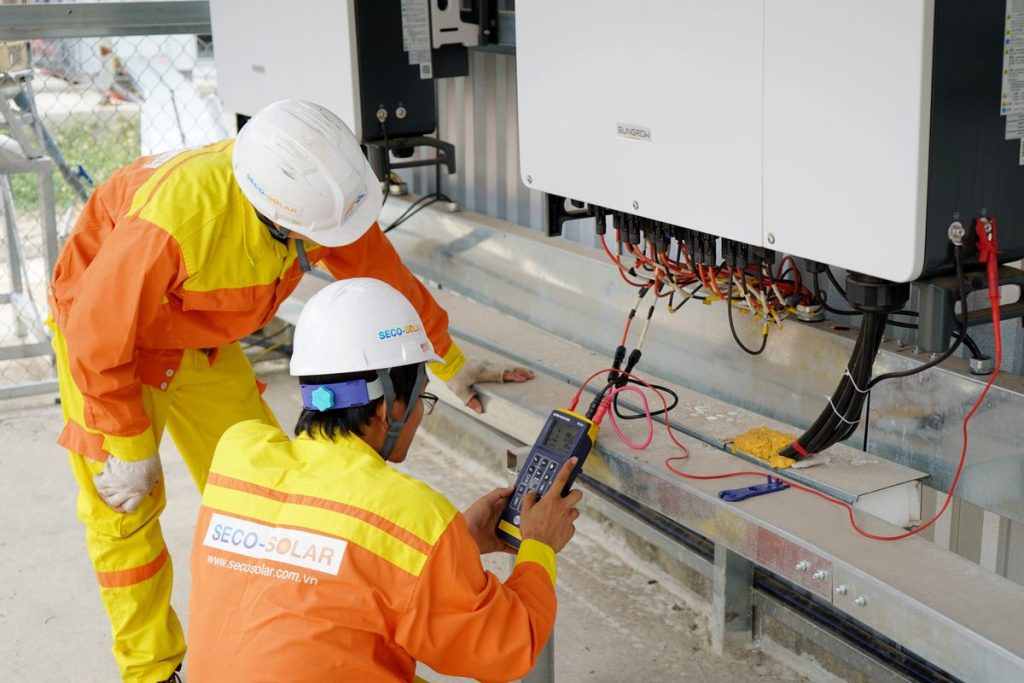
A large array that loses a few percent to soiling, a tripped string or a derating inverter can lose a significant amount of money before anyone notices. Our O&M contracts combine remote monitoring with scheduled site work so problems are caught early.
Scheduled cleaning, torque checks on mounting, connector and cable inspection, inverter filter cleaning and protection device testing — documented on every visit.
We watch generation against expected yield and investigate unexplained drops before they become expensive.
Agreed response times for faults, with common spares planned for your site so repairs are not delayed by availability.
Generation, availability, savings and recommended improvements summarised for management and auditors.
Questions, answered
Answers to the questions owners, facility managers and finance teams ask us most.
Smaller rooftop projects can be completed in one to three weeks on site. Larger systems are delivered in phases over several weeks, scheduled around your production so that disruption is minimal.
We plan the work to avoid that. Mechanical installation happens alongside normal operations, and the final electrical tie-in is scheduled for a shutdown window, weekend or night shift agreed with you.
Most industrial roofs can, but we never assume. We assess the structure and, where necessary, work with a structural engineer to confirm loads or recommend reinforcement.
It depends on your tariff, load profile, system size and how much generation you use on site. The feasibility study gives you a clear model with payback period and lifetime savings based on your data.
Yes. We offer preventive and corrective O&M contracts with defined response times, monitoring and periodic performance reporting.
Yes. Storage can shift solar into evening shifts, reduce generator use and protect critical loads. We size it against your load data so it earns its place.
Start with the numbers
Share your recent electricity bills and site details. We will come back with a system concept, yield estimate and payback model.