
Home solar
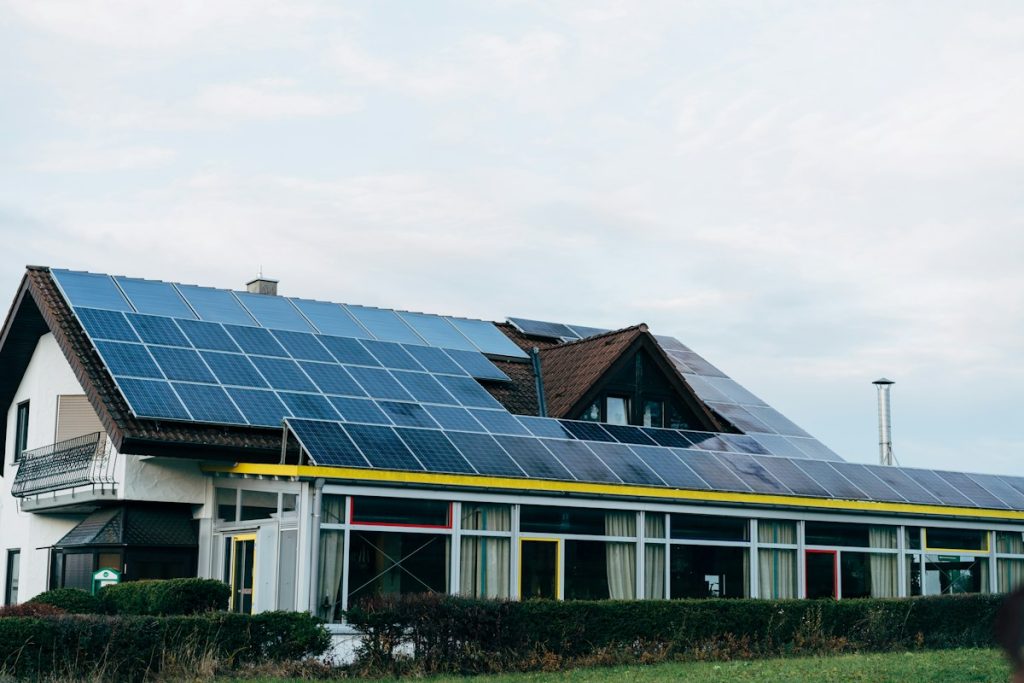
Lower electricity bills, power through outages and add value to your home with a system engineered around your roof and your family’s real energy use.
Generate your own daytime power and buy far less from the grid.
Hybrid systems keep lights, fans and Wi-Fi running during outages.
Cut your household carbon footprint with every sunny day.
A documented, well-installed system is an asset buyers recognise.
What's included
Cheap quotes often leave out the parts that make a system safe and long-lasting. Ours list every component and every step, so you can compare like with like and know exactly what you are paying for.
Choose your system
The right type depends on how reliable your grid supply is, when you use most power and whether you want backup during outages.
Most affordable
Panels feed your home first and export surplus to the grid where net metering is available. No batteries, so the lowest cost per unit generated.
Most popular
Combines solar with lithium battery storage. Daytime surplus charges the battery, which then powers essentials in the evening or during an outage.
Fully independent
A standalone system with batteries sized to cover your needs without any grid connection, often with a generator backup for long cloudy spells.
The process
Most homes go from first visit to a working system within two to four weeks, depending on approvals and component availability. The installation itself usually takes one to three days.
01
An engineer inspects your roof structure and access, measures shading, checks your distribution board and earthing, and reviews twelve months of electricity bills.
02
We model expected yearly generation, choose panels and inverter to suit, and send an itemised quote with the payback period and warranty terms in writing.
03
Where required we prepare net-metering and utility paperwork, confirm the installation date and order components with serial numbers recorded.
04
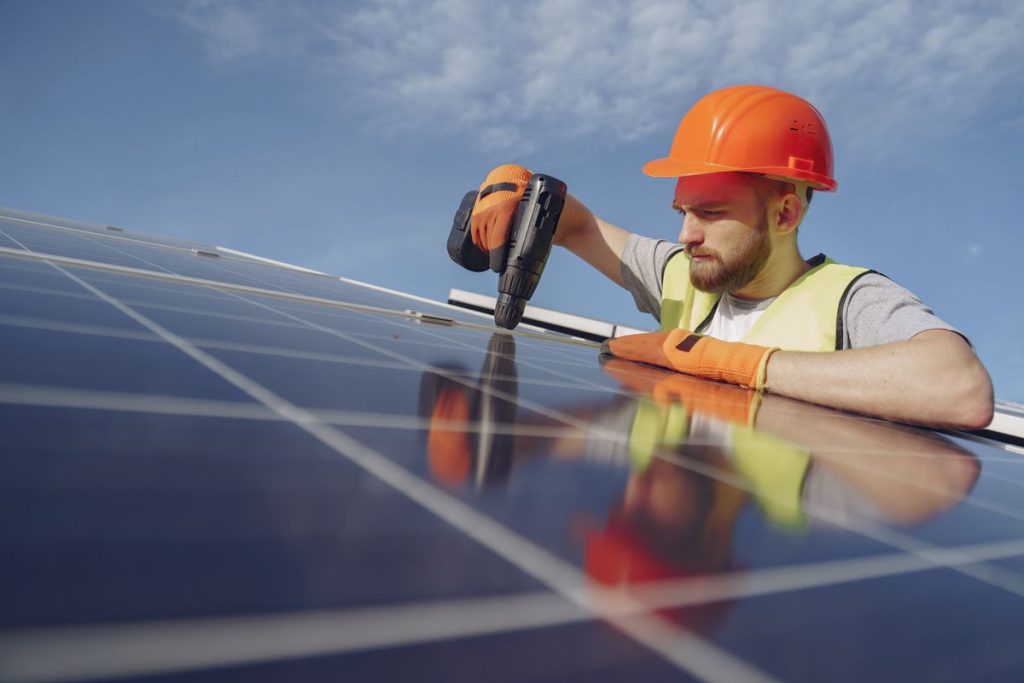
Our crew protects your property, fixes rails and panels, runs and labels cabling, fits protection devices and connects the inverter — keeping you updated throughout.
05
We test every string, verify earthing and isolation, set up monitoring on your phone and walk you through the system, with a full handover pack for your records.
Questions, answered
The things homeowners most often ask us before going solar.
It depends on your monthly consumption, when you use power and your available roof area. As a rough guide, many family homes use systems between 3 and 10 kW. Our survey uses your actual bills to recommend a size that maximises savings without over-spending.
Yes, at reduced output. Panels still generate from diffuse light. Your yearly estimate already accounts for seasonal weather, and a hybrid system with batteries smooths out daily variation.
Most concrete and well-maintained metal roofs are suitable. We inspect the structure during the survey and recommend reinforcement or a different mounting approach where needed.
Not always. If your grid supply is reliable and you use plenty of power during the day, an on-grid system offers the fastest payback. Batteries make sense if you want backup during outages or use most of your power in the evening.
Quality panels typically carry 25 to 30-year performance warranties and keep producing beyond that at gradually reduced output. Inverters usually need replacement once during the life of the panels.
Periodic cleaning, an annual health check and keeping an eye on your monitoring app. We offer maintenance plans so you never need to remember.
Your home, your numbers
Book a free home survey. You will get a written design, yield estimate and fixed price — with no obligation to go ahead.